Follow Me On Social Media!
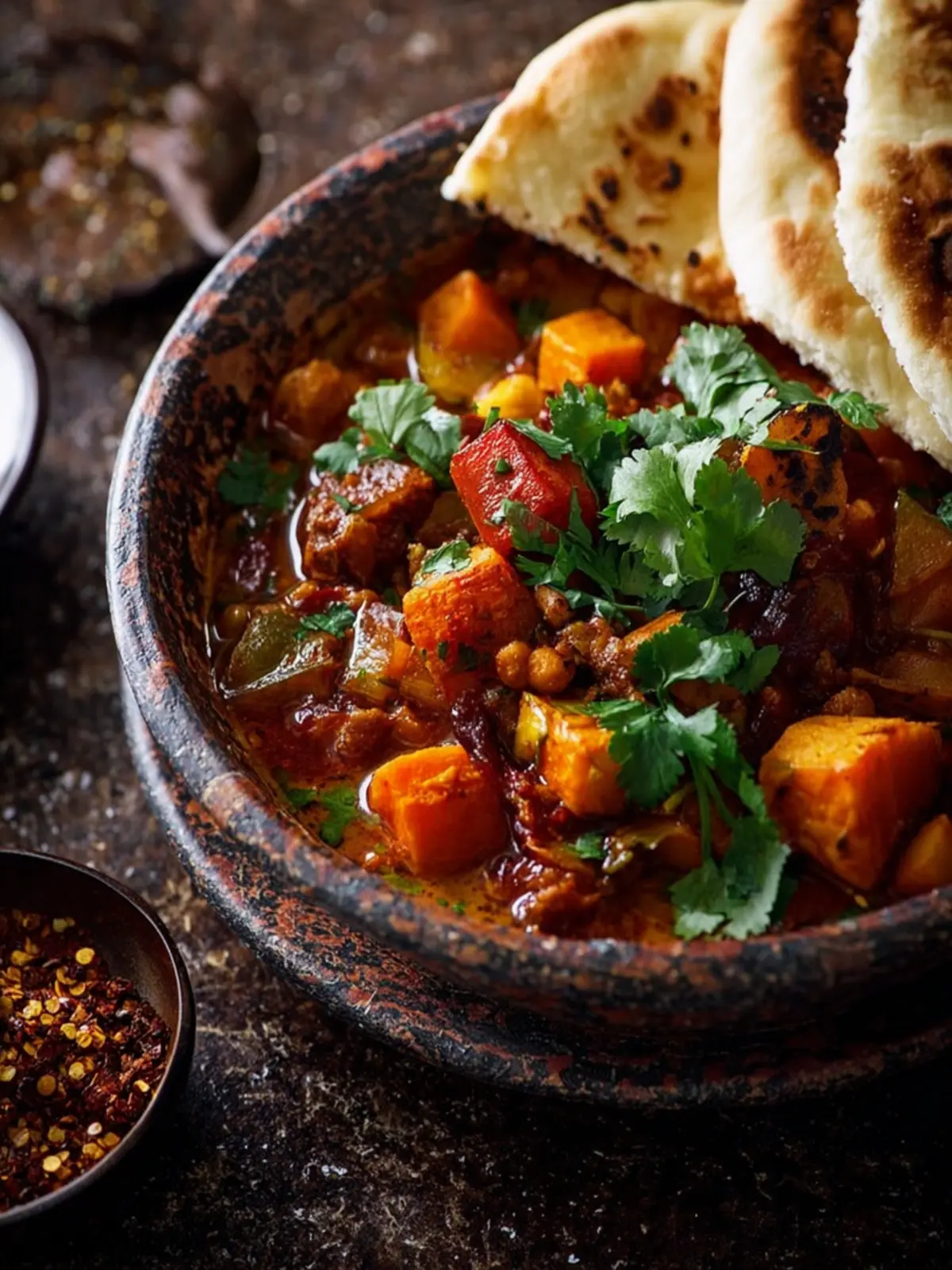
Moroccan Vegetable Stew Recipe: A Cozy Bowl of Joy

Introduction to Moroccan Vegetable Stew Recipe
Imagine sitting around a warm, fragrant pot of Moroccan Vegetable Stew, where every spoonful transports you to the vibrant markets and cozy kitchens of Morocco. This dish beautifully reflects the rich culinary heritage of the region, blending fresh, wholesome vegetables with aromatic spices that create an explosion of flavors. It’s not just a meal; it’s an experience to be savored, a reminder that food can connect us to different cultures and stories.
What makes Moroccan Vegetable Stew so special? The answer lies in the unique combination of spices and ingredients that come together in a harmonious balance. This recipe is a feast for the senses, showcasing an array of colors and textures that make it visually appealing and satisfying. Traditional stews in Morocco often feature seasonal vegetables, ensuring that each bite is fresh and flavorful. You’ll notice the subtle sweetness from the root vegetables and the comforting earthiness from legumes, all enhanced by a medley of spices such as cumin, coriander, and cinnamon—each adding depth and warmth.
Moreover, this dish not only tantalizes the taste buds but is also incredibly versatile and healthy, making it perfect for young professionals looking for nourishing meal options. Whether you’re a busy individual needing a quick weeknight dinner or someone who enjoys meal prepping, this Moroccan Vegetable Stew Recipe is your answer. It’s easy to customize to your liking—add your favorite vegetables or adjust the spices to your taste. Plus, leftovers only get better as the flavors meld, making it an ideal choice for lunches throughout the week.
As you embark on this culinary adventure, imagine savoring the rich and bold flavors of Morocco—your kitchen will be filled with aromatic spices that will surely enchant anyone you share it with. Whether you’re entertaining friends or enjoying a quiet meal at home, this Moroccan Vegetable Stew is a delightful homage to the vibrant culture and culinary richness of Morocco. Prepare to create a warming bowl of comfort that embraces both tradition and wholesome goodness.
In the next section, we’ll delve into the essential ingredients that make this dish a standout!

Key Ingredients for Moroccan Vegetable Stew Recipe
Creating a rich and flavorful Moroccan Vegetable Stew relies on a medley of vibrant and aromatic ingredients that truly capture the essence of Moroccan cuisine. Here’s what you’ll need:
-
Vegetables: The heart of this stew! I use a colorful combination of carrots, bell peppers, zucchini, and sweet potatoes. They not only add texture but also an array of nutrients. Choose seasonal veggies for the freshest taste.
-
Chickpeas: These protein-packed legumes are essential to make the stew hearty and filling. I prefer canned chickpeas for convenience, but freshly cooked ones are a delightful option if you have the time.
-
Spices: A hallmark of Moroccan dishes, using a blend of cumin, coriander, paprika, and a touch of cinnamon creates that signature warmth. Don’t skimp here; the spices infuse the stew with that exotic flair.
-
Vegetable broth: This provides the base for our stew, enriching it with flavor. Opt for low-sodium broth to maintain control over the saltiness.
-
Tomato paste: A spoonful adds depth to the flavor profile while contributing to the stew’s luscious texture.
By thoughtfully selecting these key ingredients, you’ll create a comforting and aromatic stew that delights the senses and warms the soul.
Why You’ll Love This Recipe
Discovering the magic of a Moroccan Vegetable Stew Recipe is like embarking on a flavorful adventure. This dish brings together a vibrant mix of vegetables, aromatic spices, and a touch of warmth that instantly feels like a comforting embrace. Picture yourself cozying up with a bowl of this hearty stew, each spoonful filled with the essence of North Africa.
Packed with Nutrients
One of the best things about this Moroccan Vegetable Stew is its nutritional profile. With an abundance of vegetables, you’re not just treating your taste buds; you’re nourishing your body. From carrots and zucchini to chickpeas, each ingredient contributes essential vitamins and minerals, making this dish a wholesome choice for lunch or dinner.
Bursting with Flavor
The rich blend of spices transforms ordinary vegetables into something extraordinary. The use of cumin, coriander, and cinnamon gives the stew a fragrant, earthy base, while fresh herbs like cilantro elevate the experience even further. It’s the kind of dish that makes your kitchen smell incredible, enticing everyone to gather around the table.
Easy to Prepare
Busy weeknight? No problem! This recipe is straightforward, perfect for young professionals looking to whip up something delicious without spending hours in the kitchen. You can prepare it in just one pot, making cleanup a breeze.
In short, this Moroccan Vegetable Stew Recipe offers comfort, convenience, and an explosion of flavors that will keep you coming back for more. Give it a try, and you’ll understand why it may become your new go-to dish.
Variations of Moroccan Vegetable Stew
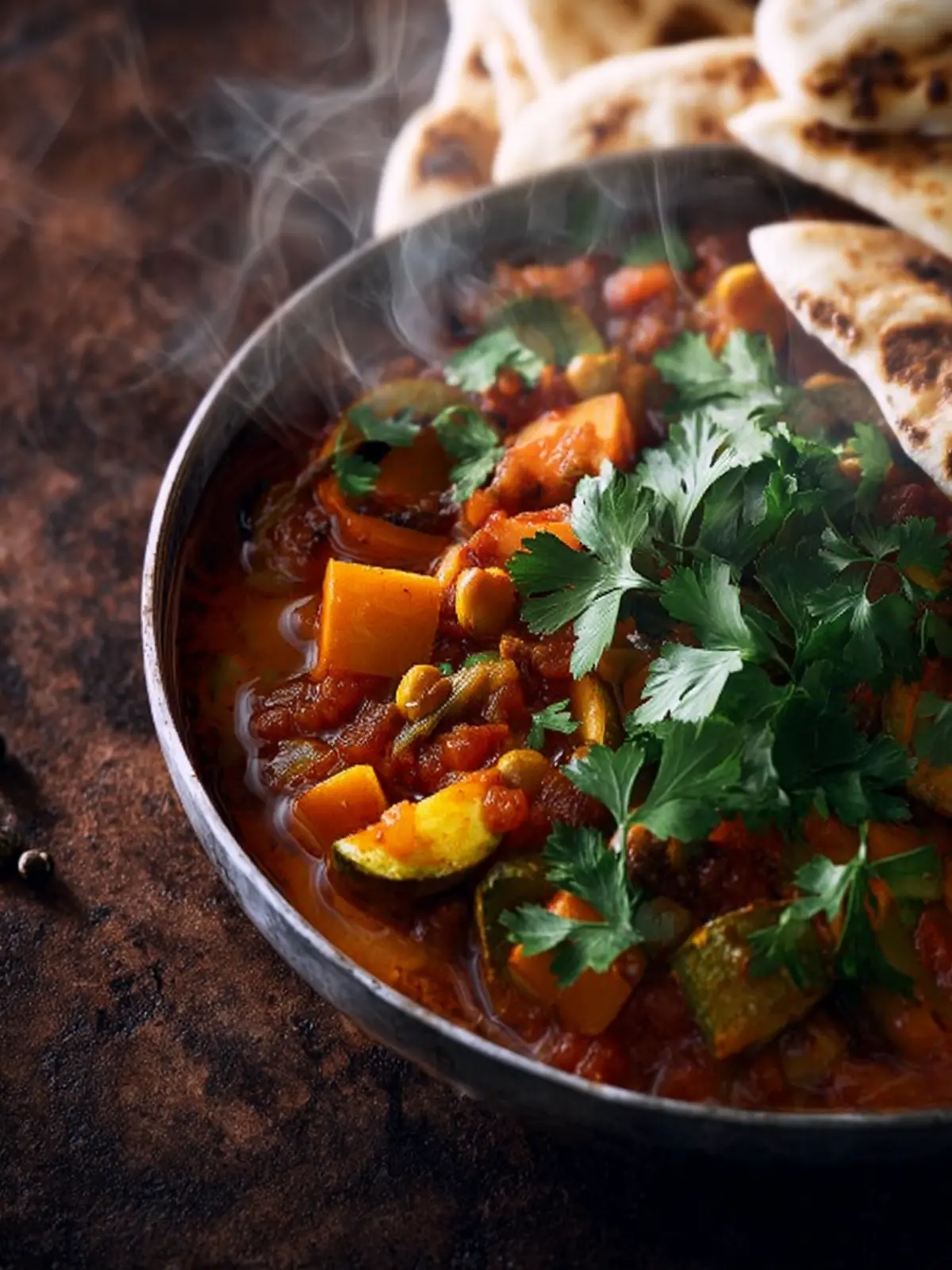
Exploring the world of Moroccan Vegetable Stew opens up a treasure trove of flavors and textures. This dish is incredibly versatile, allowing you to customize it based on what you have on hand or simply what you’re in the mood for.
Classic Moroccan Flavors
For those who crave authenticity, try the traditional approach using zucchini, carrots, and chickpeas. These ingredients form the backbone of a rich, earthy stew, enhanced by ras el hanout – a spice blend that encapsulates the essence of Moroccan cuisine.
Add a Protein Boost
If you’re looking for a heartier meal, consider adding lamb, chicken, or even tofu for a plant-based twist. These proteins can bring new dimensions to your Moroccan Vegetable Stew, making it a fulfilling dish that will leave you satisfied.
Seasonal Adjustments
The fun doesn’t stop there! Depending on the season, you can incorporate butternut squash, sweet potatoes, or even eggplant. These ingredients not only diversify the flavor but also highlight the beautiful colors that Moroccan cuisine is known for, making your dinner visually stunning.
Spice It Up
Finally, don’t shy away from experimenting with spices. A touch of harissa for some heat or cinnamon for warmth can elevate your stew to a new level of complexity.
Creating your perfect Moroccan Vegetable Stew is all about getting creative with the base ingredients and spices. Each variation tells its own story, making every bowl a delightful journey!
Cooking Tips and Notes for Moroccan Vegetable Stew
Embracing the vibrant flavors of the Moroccan Vegetable Stew Recipe brings the warmth of North African kitchens right into your home. As you prepare this delightful dish, here are some tips to elevate your cooking experience.
Choose Fresh and Colorful Vegetables
The beauty of Moroccan cuisine lies in its use of natural ingredients. Opt for seasonal vegetables like carrots, zucchini, and bell peppers to maximize flavor and nutrition. Fresh herbs, like cilantro and parsley, will also brighten your stew and add a pop of color.
Layer the Flavors
Don’t rush the cooking process! Sauté the onions and garlic until they’re golden to build a deep, rich base for your stew. If time allows, allow the spices—cumin, coriander, and cinnamon—to toast slightly before adding the vegetables; this step intensifies their flavors significantly.
Adjust the Spicing
The Moroccan Vegetable Stew Recipe is versatile when it comes to spices. If you prefer a milder dish, reduce the amount of cayenne pepper or customize it further by adding a pinch of saffron for a luxurious twist. Taste as you go to perfect your personal blend.
Perfect Your Cooking Time
Different vegetables have varying cook times. Add sturdier veggies like potatoes early on and softer ones, like spinach, near the end. This will prevent overcooking and ensure everything remains tender yet firm.
Serve with Grains
Pairing your stew with couscous or quinoa not only adds heartiness but also makes for a satisfying meal. The grains soak up the stew, allowing each bite to be infused with its aromatic goodness.
By following these friendly tips, your Moroccan Vegetable Stew will not only be delicious but also a delightful culinary adventure!
Serving Suggestions for Moroccan Vegetable Stew
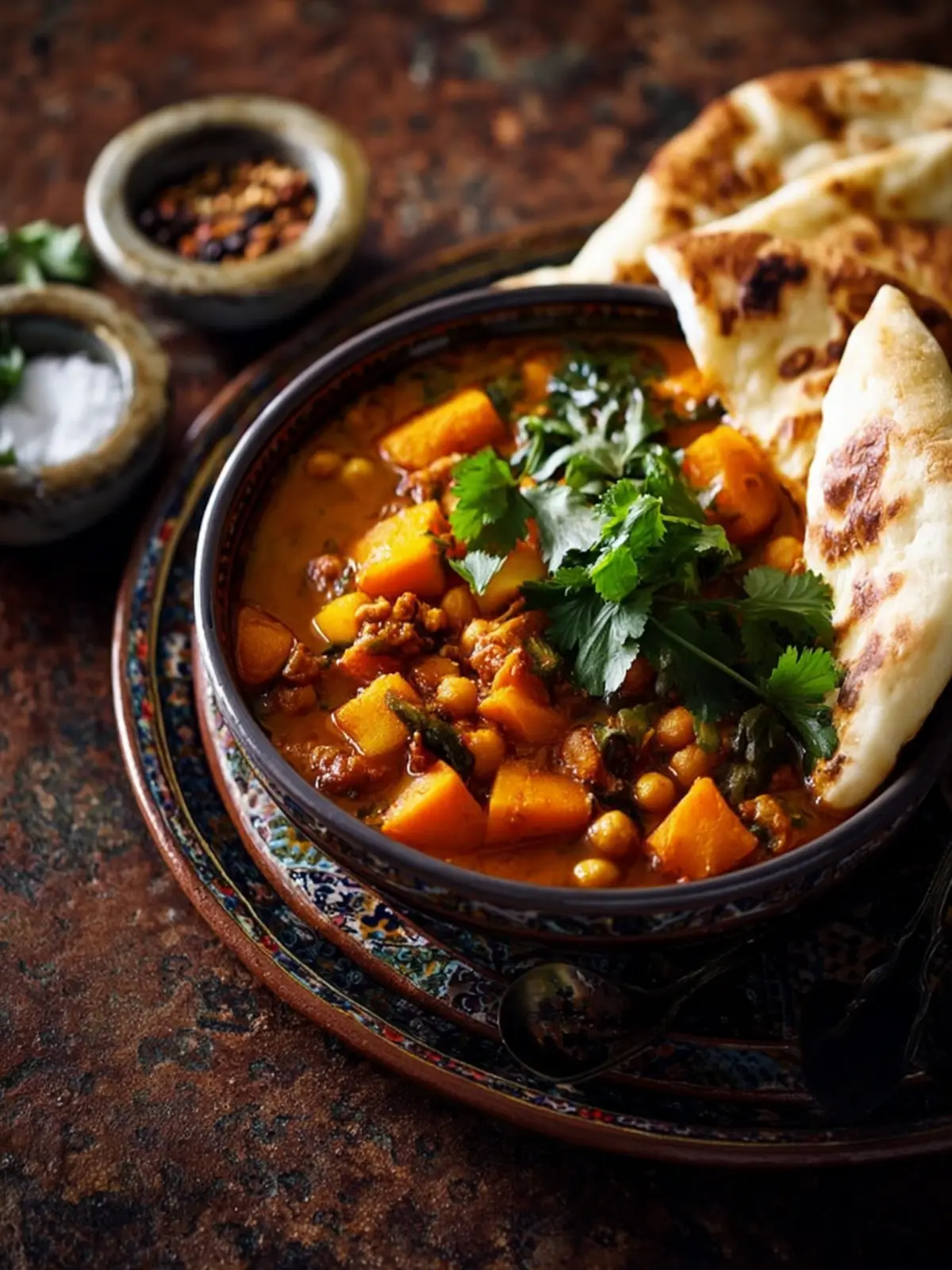
Embracing the rich tapestry of flavors found in my Moroccan Vegetable Stew recipe brings a delightful experience to any dining table. This hearty stew, with its aromatic spices and fresh veggies, can be paired with a few simple yet impactful sides to elevate your meal.
Accompany with Fresh Bread
To truly appreciate the depth of flavors in your Moroccan stew, serve it with a side of warm, crusty bread. Sourdough or a simple baguette works wonders for soaking up every last drop of the savory broth. It’s not just a practical pairing; it’s a comforting tradition that enhances the overall experience.
Rice or Couscous Harmony
Serving your stew over a bed of fluffy couscous or rice can turn it into a filling meal. Couscous, in particular, aligns perfectly with Moroccan cuisine and adds a delightful texture. It’s quick to prepare and complements the stew’s spices beautifully.
Garnish Creatively
Give your Moroccan Vegetable Stew a bright finish by adding a sprinkle of fresh herbs like cilantro or parsley just before serving. A squeeze of lemon can also bring a fresh, zesty note that balances the earthy flavors of the stew.
Complete the Experience
To round out your meal, consider pairing it with a refreshing salad or Moroccan mint tea. A citrus salad made with oranges and olives can add a vibrant contrast, making your dining experience all the more enjoyable.
Time Breakdown for Moroccan Vegetable Stew
Preparing a delightful Moroccan Vegetable Stew is not just about following a recipe; it’s a journey through taste and aroma that fills your kitchen with warmth. Understanding the time involved can help you plan your cooking experience effectively.
Preparation Time
Getting started with this stew requires about 15 minutes for ingredient prep. From chopping vibrant vegetables to gathering spices, this initial stage sets the foundation for rich flavors.
Cooking Time
Once everything is prepped, let your stew simmer away for 30 to 40 minutes. This slow cooking allows the flavors to meld beautifully, resulting in a comforting dish you and your guests will love.
Total Time
In total, you’ll be investing around 45 to 55 minutes into this Moroccan Vegetable Stew Recipe. It’s a manageable time commitment that leads to a rewarding culinary delight, perfect for busy weeknights or a relaxed weekend dinner. Let it nourish both your body and spirit!
Nutritional Facts for Moroccan Vegetable Stew
The Moroccan Vegetable Stew Recipe is not just a feast for the senses; it’s also a wholesome choice for those mindful of their health. Packed with nutritious ingredients, this stew is both satisfying and nourishing.
Calories
One serving of this vibrant stew contains approximately 220 calories. This makes it a fantastic option for a light lunch or a comforting dinner without overwhelming your caloric intake.
Protein
You can expect about 7 grams of protein per serving, thanks to the variety of vegetables and legumes used. This makes the stew a decent source of plant-based protein, great for those following a vegetarian lifestyle or looking to cut back on meat.
Sodium
With roughly 400 milligrams of sodium per serving, it’s a fairly moderate choice. By using low-sodium broth or seasoning it yourself, you can easily adjust the saltiness to your preference while keeping the dish delicious.
FAQ about Moroccan Vegetable Stew
Exploring the delicious world of Moroccan Vegetable Stew opens a realm of flavors and possibilities. As you get ready to whip up this delightful dish, you might have some questions. Here are some common queries that can help you get the most out of your culinary adventure.
Can I use different vegetables in the Moroccan Vegetable Stew?
Absolutely! The beauty of the Moroccan Vegetable Stew Recipe is its flexibility. While traditional ingredients include zucchini, bell peppers, and carrots, feel free to make this stew your own. Seasonal vegetables such as sweet potatoes, eggplants, or even leafy greens can add unique flavors and textures. Just remember to balance your cook time according to the veggies you choose—harder vegetables may need a bit longer, while softer ones should be added later to maintain their integrity.
Is this stew freezer-friendly?
Yes, you can freeze Moroccan Vegetable Stew! It holds up beautifully in the freezer for about 3 months. To store it, let the stew cool completely, then transfer it to airtight containers or freezer bags. When ready to enjoy, simply thaw overnight in the refrigerator and reheat on the stove. This stew often tastes even better after a little time to let the flavors meld.
How can I adjust the spice level?
Adjusting the spice level of your stew is easy! For a milder flavor, reduce the amount of spices like cumin and coriander. Conversely, if you’re in the mood for more heat, consider adding a pinch of cayenne pepper or including a sliced chili pepper. Taste as you go; this ensures that you achieve the perfect balance tailored to your palate.
Conclusion on Moroccan Vegetable Stew Recipe
Crafting a delightful Moroccan Vegetable Stew is not just about following a recipe; it’s about creating a warm and inviting dish that reflects the richness of Moroccan cuisine. With colorful vegetables and aromatic spices, this stew can transform everyday meals into something extraordinary. Remember that the beauty of this recipe lies in its flexibility, allowing you to adapt it with seasonal produce or whatever you have on hand.
As you explore this vibrant dish, I encourage you to infuse it with your personal touch. Gather your friends or family for a shared cooking experience, allowing the delightful scents to fill your kitchen. Whether as a warming weeknight dinner or a show-stopping centerpiece for gatherings, this Moroccan Vegetable Stew is bound to impress.
Print
Spiced Lentil and Sweet Potato Soup
- Total Time: 1 hour 45 minutes
- Yield: 6 servings 1x
- Diet: Vegetarian
Description
A hearty and flavorful soup packed with lentils, sweet potatoes, and spices.
Ingredients
Scale
- 2 tablespoons extra-virgin olive oil
- 1 medium yellow onion, diced
- 1 medium leek, trimmed and thinly sliced (whites and light green parts only)
- 2 garlic cloves, chopped
- 2 teaspoons ground coriander
- 2 teaspoons ground cumin
- 2 teaspoons paprika
- 1 teaspoon turmeric
- ½ teaspoon ground cinnamon
- ¼ teaspoon ground white pepper
- 2 tablespoons tomato paste
- 1 medium yellow bell pepper, deseeded and chopped
- 2 medium carrots, peeled and diced
- 2 cups diced sweet potatoes
- 1 cup split red lentils
- 1 (15-ounce) can chickpeas, rinsed and drained
- 1 (28-ounce) can diced tomatoes
- 4 cups vegetable stock
- ½ teaspoon kosher salt
- 1 teaspoon orange zest
- ½ cup chopped cilantro, divided
- Naan bread, warmed, for serving (optional)
Instructions
- Heat a large heavy-bottomed pot over medium heat, add the olive oil and heat through.
- Add the onions, leeks, and garlic and sauté until the onion is soft and translucent, about 6 minutes.
- Add the coriander, cumin, paprika, turmeric, cinnamon, and white pepper, stirring to combine. Let cook, stirring frequently, until fragrant, about 2 minutes.
- Add the tomato paste and stir to combine.
- Add the bell pepper, carrots, sweet potatoes, lentils, chickpeas, tomatoes, vegetable stock, and 2 cups of water to the pot, stirring to combine.
- Bring the mixture to a boil, then reduce the heat to medium-low and let simmer about 1 hour and 30 minutes, until the lentils are cooked through and the sweet potatoes are tender. Add additional water ½ cup at a time if the soup becomes dry.
- Remove the pot from heat and season with kosher salt.
- Stir in the orange zest and half the cilantro.
- Ladle the soup into warmed soup bowls, top with remaining cilantro, and serve with warmed naan bread on the side.
Notes
- Store leftovers in an airtight container in the refrigerator for up to 5 days.
- This soup can easily be frozen for up to 3 months.
- Prep Time: 15 minutes
- Cook Time: 90 minutes
- Category: Soups
- Method: Stovetop
- Cuisine: Mediterranean
Nutrition
- Serving Size: 1 bowl
- Calories: 300
- Sugar: 5g
- Sodium: 800mg
- Fat: 9g
- Saturated Fat: 1g
- Unsaturated Fat: 7g
- Trans Fat: 0g
- Carbohydrates: 50g
- Fiber: 15g
- Protein: 12g
- Cholesterol: 0mg