Follow Me On Social Media!

Cantonese Chow Mein: The Ultimate Comfort Food at Home

Introduction to Cantonese Chow Mein: A Comforting Classic from the Family Table
The aroma of Cantonese Chow Mein sizzling in a wok can instantly transport you back to family dinners, where laughter mingles with the clinking of chopsticks. This beloved dish isn’t just a meal; it’s a nostalgic journey steeped in tradition, embodying the warmth and comfort of home. In Cantonese culture, noodle dishes often serve as a centerpiece for familial gatherings. The versatility and heartiness of chow mein have made it a beloved staple on many family tables, ensuring that it remains a culinary favorite across generations.
But what truly elevates Cantonese Chow Mein to the status of a comforting classic? It all comes down to its delightful balance of flavors and textures, combined with simple, wholesome ingredients that come together in a beautiful harmony. The stir-frying technique gives the noodles that perfect balance of crispy edges while keeping the insides tender—a textural contrast that makes every bite satisfying.
What makes Cantonese Chow Mein a beloved dish?
-
The Great Noodle Base: At the heart of this dish are the chow mein noodles, typically made from wheat flour, which beautifully soak up the flavors of the stir-fried vegetables and proteins. You’ll often find that the freshest noodles yield the best results.
-
Colorful Vegetables: Think crisp bell peppers, vibrant carrots, and sweet onions—these ingredients pop visually on the plate and add essential nutrients. Each vegetable has its unique flavor and texture, bringing the dish to life.
-
Savory Sauces: A combination of soy sauce, oyster sauce, and sesame oil creates a rich, savory glaze that tantalizes your taste buds with every mouthful. These elements meld seamlessly, enhancing the dish without overpowering the natural flavors of the ingredients.
-
Personal Touch: The beauty of Cantonese Chow Mein is that you can tailor it to your taste. Whether you prefer chicken, shrimp, or tofu, adding your protein of choice makes it a versatile dish that suits everyone’s palate.
Every bite of Cantonese Chow Mein is a reminder of cherished moments spent with loved ones, making it not just a recipe but a heartwarming tradition in many households.
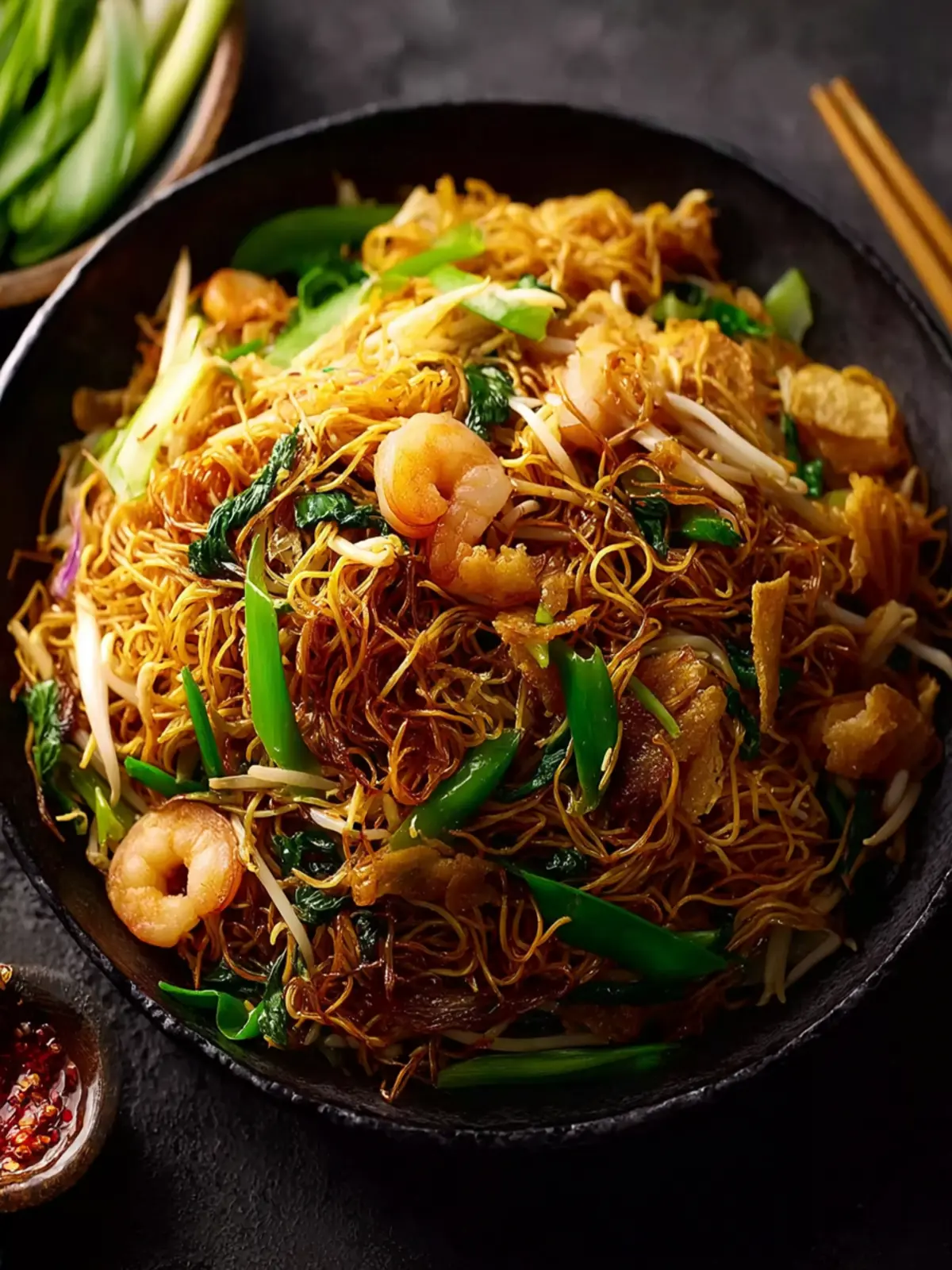
Key Ingredients for Cantonese Chow Mein
Creating the authentic flavors of Cantonese Chow Mein starts with sourcing high-quality ingredients that bring comfort and tradition to your table. It’s this attention to detail that transforms a simple meal into a cherished family experience.
-
Noodles: For the best texture, I always prefer fresh egg noodles. They’re slightly chewy and soak up flavors beautifully. If that’s not available, dried egg noodles are a great alternative—just soak them briefly before cooking.
-
Vegetables: A colorful array of vegetables is essential. I love using bell peppers, bean sprouts, and carrots for crunch and freshness. Adding Chinese cabbage or bok choy gives the dish a nice contrast in texture.
-
Protein: You can’t go wrong with shrimp, chicken, or tofu! When I make Cantonese Chow Mein, I often choose chicken because it absorbs the sauce nicely while keeping the dish light.
-
Sauce: A simple mix of soy sauce, oyster sauce, and a hint of sesame oil creates a rich umami flavor. Adjust the sauces according to your taste—some like it saltier, while others prefer a subtler profile.
-
Garnishes: Don’t forget the green onions! A sprinkle on top adds not only freshness but also a pop of color to your dish.
By focusing on these ingredients, you can create a Cantonese Chow Mein that tastes just like the comforting meals from home.
Why You’ll Love This Cantonese Chow Mein
Cantonese Chow Mein has a way of weaving its magic into the fabric of our culinary experiences. Imagine a dish that brings the comforting warmth of your family kitchen with each delectable bite. This recipe captures that essence perfectly.
-
Satisfying and Flavorful: The balance of crispy noodles, tender vegetables, and protein creates a symphony of flavors. Each ingredient harmonizes, elevating a simple meal into something extraordinary. You’ll appreciate how the umami of soy sauce and the crunch of fresh vegetables meld together.
-
Versatile and Customizable: One of the great joys of making Cantonese Chow Mein is its flexibility. You can use whatever vegetables or proteins you have on hand—think chicken, shrimp, or even tofu. This adaptability makes it a reliable go-to for busy weeknights or impromptu gatherings.
-
Quick and Easy: For young professionals juggling a bustling lifestyle, this dish is a lifesaver. It takes just under 30 minutes from prep to plate, allowing you to indulge without the fuss.
-
Nostalgic Experience: Whether you’re recreating a cherished family recipe or discovering Cantonese Chow Mein for the first time, the process of cooking and sharing this dish makes for unforgettable moments.
You’ll find yourself craving this comforting classic again and again, making it a staple in your kitchen repertoire.
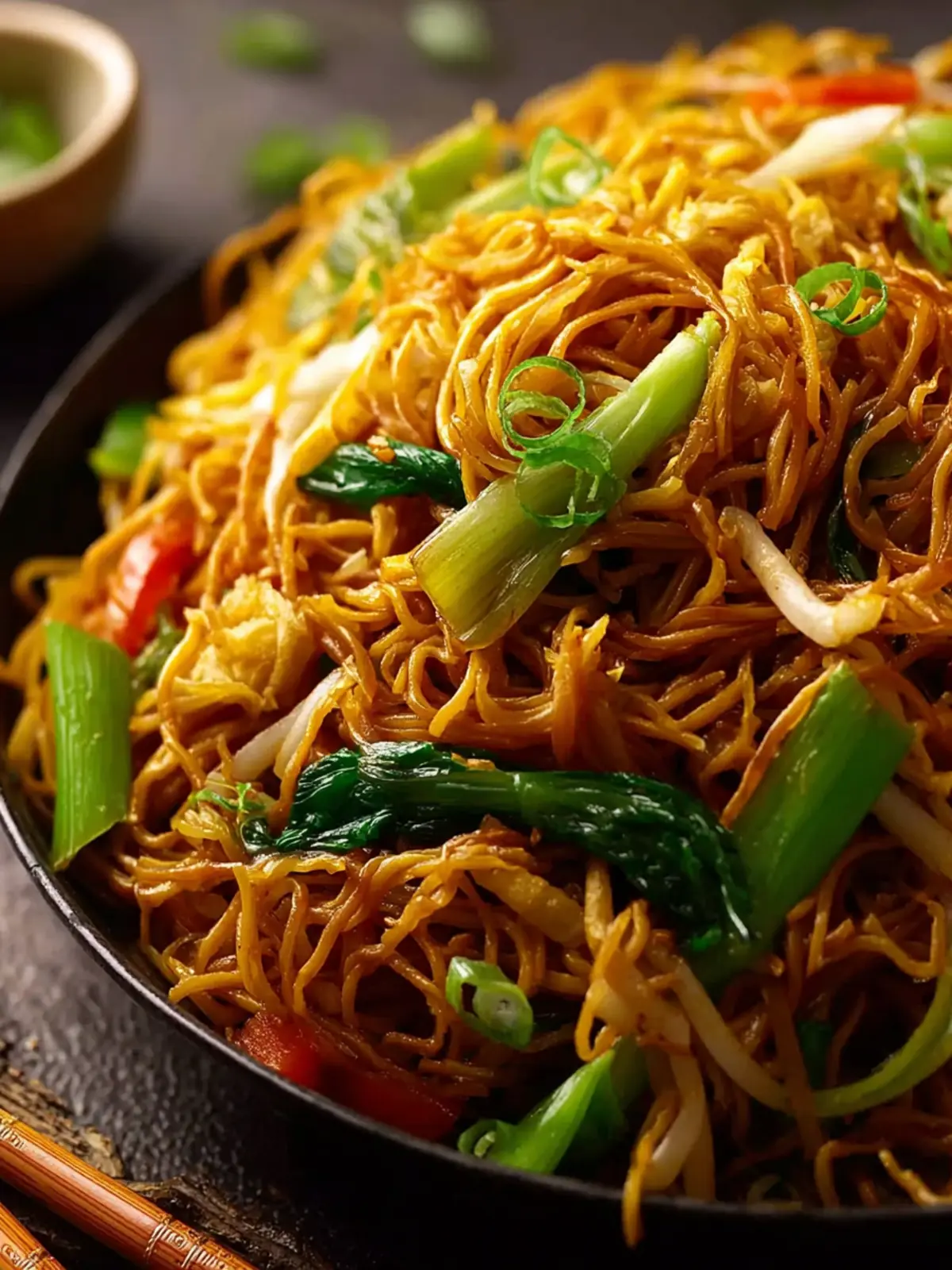
Tips for Making Perfect Cantonese Chow Mein
Crafting the ultimate Cantonese Chow Mein is an art, and with a few insider tips, you can create a dish that transports you back to family dinners around the table. The key to achieving that delightful texture and flavor lies in your preparation method and ingredient selection.
-
Use Fresh Noodles: Opt for fresh chow mein noodles over dried ones whenever possible. They provide a soft, chewy texture that enhances the overall dish. If fresh options aren’t available, remember to soak your dried noodles in hot water until they are pliable.
-
High Heat is Essential: Stir-frying at high heat is crucial for achieving that coveted ‘wok hei’ flavor, which translates to that delightful aroma from the wok. Make sure your pan is preheated before adding the oil and ingredients.
-
Don’t Crowd the Pan: When adding your vegetables and proteins, work in batches if necessary. Overcrowding leads to steaming instead of frying, which can dampen the flavors and textures.
-
Sauce Balance: Timing matters with the sauce. Add it toward the end of cooking to maintain its brightness and flavor. A touch of soy sauce, oyster sauce, and a dash of sesame oil can elevate the dish beautifully.
-
Experiment with Vegetables: While traditional recipes might stick to basic veggies, feel free to add your favorites. Bell peppers, bok choy, or even mushrooms can add a personal twist to your chow mein.
With these tips, you’ll not only master the art of cooking Cantonese Chow Mein, but also create a memorable meal that echoes the warmth of home-cooked family favorites.
Time Breakdown for Making Cantonese Chow Mein
Preparing a dish like Cantonese Chow Mein brings a touch of warmth and nostalgia to the table, connecting us to cherished family moments. Understanding the time involved helps make your cooking experience smooth and enjoyable.
Preparation time
Setting aside about 15 minutes for preparation is ideal. This includes chopping vegetables, marinating protein, and getting your ingredients ready to ensure a seamless cooking process.
Cooking time
The cooking time is approximately 10-15 minutes. This quick sauté allows the flavors to meld beautifully without losing the freshness of the ingredients.
Total time
In total, you can expect to spend about 25-30 minutes from start to finish. This makes it perfect for busy weeknights when you crave something satisfying and homemade!
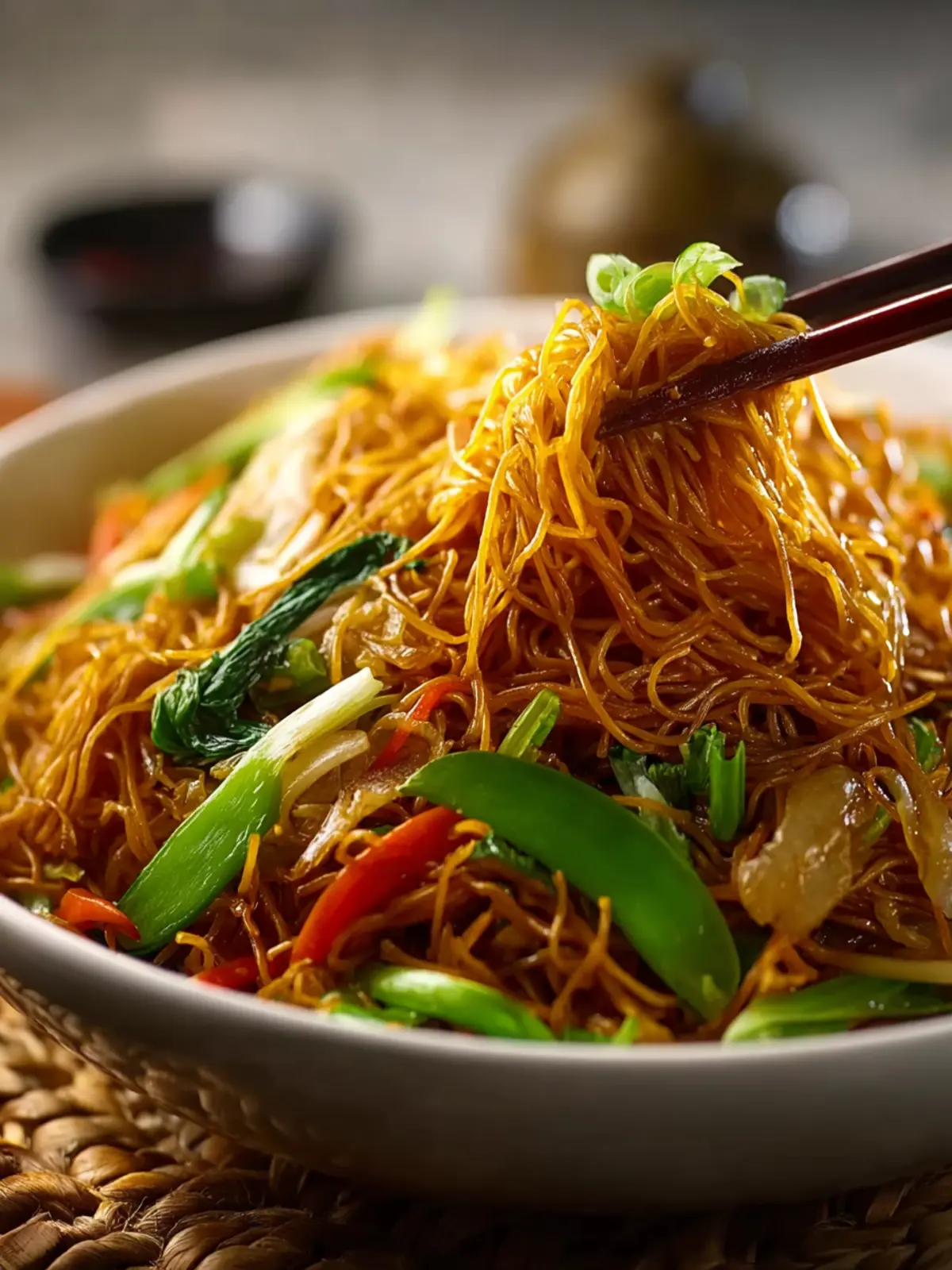
Nutritional Facts for Cantonese Chow Mein
Cantonese Chow Mein brings a delightful burst of flavor and texture to your table, but what do these delicious noodles offer in terms of nutrition? Understanding the nutritional profile can help you appreciate this classic dish even more.
Calories
A typical serving of Cantonese Chow Mein contains around 400 calories, making it a satisfying meal that won’t derail your health goals.
Protein
Rich in protein, this dish features approximately 15 grams per serving, a fantastic way to fuel your body and keep you feeling full.
Sodium
While enjoyable, be mindful of the sodium content, which can be around 800 mg. Opting for low-sodium soy sauce can help keep your intake in check without sacrificing flavor, ensuring this comforting meal remains a healthy choice.
FAQs about Cantonese Chow Mein
Cantonese Chow Mein is one of those comforting classic dishes that feels like a warm hug on a plate. It’s a versatile meal that many families return to with fond memories. However, questions often arise when preparing this popular dish. Let’s dive into some common inquiries!
What can I substitute for chicken in chow mein?
If you’re looking for alternatives to chicken in Cantonese Chow Mein, there are plenty of delicious options.
- Tofu: Firm tofu is an excellent substitute. It absorbs flavors wonderfully and can be pan-fried for a delightful texture.
- Shrimp or Beef: For those who enjoy seafood or red meat, shrimp or thinly sliced beef can be great additions.
- Mushrooms: Adding varieties like shiitake or portobello can provide a meaty texture and enhance the umami flavor.
How can I make this dish vegetarian?
Making a vegetarian version of Cantonese Chow Mein is easy! Simply replace chicken with tofu or an assortment of veggies such as bell peppers, broccoli, and snap peas. Don’t forget to use vegetarian oyster sauce or soy sauce to maintain that authentic taste.
Can I prepare chopsticks, or should I use utensils for serving?
Chopsticks are a fantastic way to enjoy Cantonese Chow Mein! They add to the authentic experience, making your homemade meal feel even more special. However, if you prefer or if your guests are less familiar with chopsticks, using a fork or a spoon is just as acceptable. The goal is to enjoy the dish, so use what feels comfortable for you and your dining companions.
Conclusion on Cantonese Chow Mein: The Comforts of Home
Cantonese Chow Mein brings the experience of dining with family right into your own kitchen. This dish encapsulates warmth and satisfaction, making it a true comfort food. As you savor the flavors of tender noodles combined with fresh vegetables and your choice of protein, it’s hard not to feel nostalgic. Each bite can remind you of Sunday dinners or cozy weeknights spent around the table. So, gather your loved ones and experience the joy of cooking this timeless classic yourself. With its blend of textures and flavors, Cantonese Chow Mein is sure to become a cherished favorite at your home too.
Print
Cantonese Chow Mein
- Total Time: 35 minutes
- Yield: 2 servings 1x
- Diet: Gluten-Free
Description
A delicious and crispy take on classic Cantonese Chow Mein with tender marinated chicken and vibrant vegetables.
Ingredients
Scale
- 12 oz fresh egg noodles
- 8 oz chicken breast, thinly sliced
- 2 tablespoons soy sauce
- 1 tablespoon oyster sauce
- 1 teaspoon sesame oil
- 1 teaspoon cornstarch
- 1/2 teaspoon sugar
- 1/4 teaspoon white pepper
- 2 tablespoons vegetable oil
- 2 cloves garlic, minced
- 1 cup bean sprouts
- 1/2 cup julienned carrots
- 1/2 cup sliced napa cabbage
- 3 green onions, cut into 2-inch pieces
- 1/4 cup chicken broth
Instructions
- Prepare the Noodles: If using fresh egg noodles, gently loosen them with your hands. Bring a pot of water to a boil and blanch the noodles for about 30 seconds. Drain thoroughly. This step ensures the noodles cook evenly later and develop that signature crispy edge when pan-fried.
- Marinate the Chicken: In a bowl, combine sliced chicken with 1 tablespoon soy sauce, cornstarch, sesame oil, and white pepper. Let it sit for 10–15 minutes. This simple marinade keeps the chicken tender and flavorful.
- Pan-Fry the Noodles: Heat 1 tablespoon of vegetable oil in a large skillet or wok over medium-high heat. Spread the noodles evenly into a thin layer. Press them gently with a spatula and let them cook undisturbed for 3–4 minutes until the bottom turns golden brown and crispy. Flip carefully and cook the other side. Remove and set aside.
- Stir-Fry the Chicken: Add the remaining oil to the pan. Stir-fry the marinated chicken until just cooked through. Remove and set aside.
- Cook the Vegetables: In the same pan, add garlic and sauté briefly until fragrant. Toss in carrots and napa cabbage. Stir-fry for 1–2 minutes. Add bean sprouts and green onions last to keep them crisp.
- Combine and Sauce: Return the chicken to the pan. Add oyster sauce, remaining soy sauce, sugar, and chicken broth. Stir to coat everything lightly. Place the crispy noodles on a serving plate and spoon the stir-fry mixture over the top. The sauce will slightly soften the noodles while leaving some edges deliciously crisp.
Notes
- Moisture is the enemy of crispiness, ensure no water is left on the noodles after blanching.
- The vegetables should remain vibrant and slightly crunchy for the best texture.
- Prep Time: 15 minutes
- Cook Time: 20 minutes
- Category: Main Dish
- Method: Stir Fry
- Cuisine: Chinese
Nutrition
- Serving Size: 1 plate
- Calories: 550
- Sugar: 1 g
- Sodium: 800 mg
- Fat: 28 g
- Saturated Fat: 4 g
- Unsaturated Fat: 12 g
- Trans Fat: 0 g
- Carbohydrates: 50 g
- Fiber: 5 g
- Protein: 30 g
- Cholesterol: 70 mg